Leveraging YouTube Ads for Australian Businesses: A Guide to Measurable ROI
A YouTube Ads service should identify commercially valuable audiences, select suitable video formats, build reliable conversion tracking and optimise campaigns against qualified leads, sales and revenue. Australian businesses should judge YouTube advertising by its incremental commercial return, not views, clicks or low-cost conversions that never become customers.
YouTube can introduce a business before a prospect searches, demonstrate a complex service and bring previous visitors back into the buying journey. It can also consume budget quickly when targeting, creative and measurement are disconnected.
This guide explains how Australian SMEs and mid-market organisations should plan, launch and manage YouTube campaigns. It covers audience behaviour, formats, campaign structure, conversion tracking, optimisation, ROI and the mistakes that weaken otherwise promising campaigns.
Key takeaways
Start with customer economics, buying triggers and tracking gaps before producing video.
Match campaign objectives, audiences and formats to the buyer's stage and likely next action.
Track qualified leads, sales and revenue instead of treating every platform conversion as equally valuable.
Test creative variables separately so results explain what should change.
Connect Google Ads, website analytics and CRM data before increasing spend.
Budget only scales where the tracked return justifies it.
YouTube Ads planning summary
A commercially sound campaign connects each planning decision to a measurable business outcome. This table shows how the main components fit together, from initial research through to ongoing management and reporting.
Component | Key decision | Useful evidence | Common failure |
Profile | Which buyers and problems create commercial value? | CRM records, sales feedback, customer interviews and search behaviour | Targeting broad interest groups without knowing lead quality |
Plan | What message, offer and format suit the buying stage? | Positioning, objections, margins and conversion journey | Producing one generic video for every audience |
Perform | Which campaigns create qualified demand efficiently? | Google Ads, analytics, call tracking, CRM stages and revenue | Optimising for views or form fills alone |
Measurement | What counts as a valuable conversion? | Verified leads, sales, revenue and repeat purchase data | Treating minor website actions as primary outcomes |
Optimisation | What should receive more or less budget? | Creative, audience, placement and commercial outcome data | Scaling after clicks increase but before return is proven |
What is a YouTube Ads service?
A YouTube Ads service plans, launches, measures and improves paid video campaigns across YouTube and eligible Google inventory. Proper management covers audience research, campaign architecture, video requirements, conversion tracking, placement controls, testing, reporting and budget decisions. It should connect media performance to commercial outcomes beyond the Google Ads interface.
YouTube advertising is purchased through Google Ads. Businesses can reach viewers while they watch videos, browse feeds or consume short-form content. Google describes YouTube Ads as a way to reach people according to factors such as interests, intent and previous interactions with a business.
The service component matters because operating the platform is only part of the job. A campaign can deliver inexpensive views while reaching people who are unlikely to buy. It can also generate form submissions that sales staff later identify as irrelevant.
Effective YouTube Ads management therefore includes work outside the media account:
Defining the ideal customer profile and commercially useful segments
Reviewing the offer, landing page and conversion journey
Translating customer objections into video messages
Configuring primary and secondary conversion actions
Connecting advertising data with CRM outcomes
Reviewing placements, audiences, devices and creative performance
Reporting qualified leads, sales and revenue where the sales cycle allows it
This is the difference between buying exposure and running accountable paid media services.
Why should Australian businesses use YouTube advertising?
YouTube advertising is useful when a business needs to explain, demonstrate or build familiarity before a buyer is ready to enquire. It can create demand earlier than search advertising, reach prospects researching a problem and support remarketing. Its value depends on audience quality, creative relevance and a measurable path to revenue.
Video is particularly useful for services where trust and comprehension affect the sale. A mortgage broker can explain a refinancing scenario. A recruiter can address candidate concerns. A fitness business can demonstrate its coaching environment. A professional services firm can clarify a costly problem that buyers do not yet know how to solve.
IAB Australia's Internet Advertising Revenue Report separately tracks online video within the Australian digital advertising market. That does not prove YouTube will work for every business, but it confirms video is an established media category rather than an experimental channel.
YouTube can contribute at several points in the buying journey:
Problem recognition: Show the cost or consequence of an unresolved issue.
Category education: Explain available approaches and decision criteria.
Brand consideration: Demonstrate expertise, evidence and differentiation.
Demand capture support: Build familiarity before branded or non-branded searches.
Re-engagement: Reach people who visited key pages but did not take the next step.
The caveat is important. Video does not rescue a weak offer or an unclear market position. It distributes the message you give it. If that message does not matter to the target buyer, wider distribution only exposes the problem faster.
How should YouTube audiences and viewing behaviour shape targeting?
Targeting should reflect what a prospect is trying to solve, how close they are to acting and what evidence the business holds about valuable customers. Combine first-party signals, intent-based segments and carefully selected contextual targeting. Avoid assuming that broad demographic similarity means two viewers have the same commercial value.
YouTube behaviour differs from search behaviour. A search user declares a need through a query. A YouTube viewer may be learning, comparing, relaxing or following a creator. The advertisement must earn attention before asking for action.
Start with Profile intelligence from the business itself:
Which customers generate acceptable margin?
Which services have capacity and a defendable advantage?
What events usually trigger an enquiry?
What questions appear before a sales conversation?
Which objections stop suitable buyers proceeding?
Which existing customers would the business want to find again?
This work prevents a common targeting error: building audiences around the product category rather than the buyer's situation.
First-party audiences
Website visitors, customer lists and CRM segments can provide strong signals when they are collected and used lawfully. Segment them by meaningful behaviour. Someone who read an introductory article is not equivalent to someone who viewed pricing, started an application or attended a sales call.
Customer Match and remarketing eligibility depend on Google Ads requirements, account status and privacy rules. Australian organisations should also assess their obligations under the Privacy Act and Australian Privacy Principles. Consent language, data handling and vendor configuration should match actual practice.
Intent and custom segments
Custom segments can be built around relevant search behaviour, websites, applications and interests available within Google Ads. Focus on buying context rather than collecting a large list of loosely related terms.
For a commercial finance campaign, for example, content about cash flow pressure may attract business owners with a genuine problem. Generic entrepreneurship content may attract a much larger but less commercially useful audience.
Contextual targeting
Topics, channels, videos and placements can provide contextual alignment. Placement targeting may be useful when specific creators or content categories consistently attract the right audience. It also requires monitoring because inventory availability and delivery can differ from expectations.
Exclusions deserve equal attention. Review unsuitable placements, sensitive content settings and brand safety controls. A technically valid impression is not automatically an appropriate impression.
Which YouTube ad formats should a business use?
The right format depends on the campaign objective, message length and action expected from the viewer. Skippable in-stream ads suit explanations and direct response. Non-skippable and bumper formats suit concise reach messages. In-feed and Shorts placements can support discovery, consideration and mobile-first viewing behaviour.
Google changes campaign names, inventory combinations and buying options over time. Advertisers should confirm current availability in their own Google Ads account and Google Ads Help rather than building a strategy around an outdated format list.
Skippable in-stream ads
These ads can run before, during or after eligible video content. They are suitable when the message needs enough time to identify a problem, establish relevance and present an action.
The opening must qualify the audience quickly. Start with the buyer's situation rather than a long logo sequence. A useful structure is:
Name the specific problem or triggering event
Show why the current approach is costly or inadequate
Present the business's different method
Provide evidence or explain the mechanism
State one clear next action
Non-skippable and bumper ads
Short, non-skippable formats are better suited to simple messages than detailed persuasion. They can reinforce a distinctive proposition, event, product or remarketing message. They are less suitable when the audience must understand a complicated service before acting.
In-feed video ads
In-feed ads appear in discovery-oriented environments where users choose whether to watch. The thumbnail, title and topic must therefore create qualified curiosity. A broad clickbait title may increase viewing while reducing commercial relevance.
Shorts inventory
Shorts placements favour vertical creative and fast comprehension. Reformatting a horizontal advertisement without reconsidering framing, captions and pacing usually produces a weak result. The message should still remain consistent with the offer and landing page.
Masthead and broad reach options
High-reach placements can support large launches or brand campaigns, but they are rarely the first recommendation for an SME seeking attributable leads. Prove the audience, proposition and measurement model before paying for wider exposure.
How should a YouTube Ads campaign be set up?
Set-up should begin with measurement and commercial definitions, not campaign creation. Decide which actions matter, how lead quality will be verified and where revenue data will come from. Then build campaigns around a clear objective, defined audience, suitable creative, controlled landing experience and an agreed testing plan.
At 3P Digital, I use Profile, Plan, Perform as the operating sequence.
Profile: establish commercial reality
Document the ideal customer profile, profitable offers, exclusions, buying triggers and sales process. Audit existing Google Ads, analytics, tag management and CRM data. Identify discrepancies before they become optimisation signals.
If duplicate tags inflate conversions, an automated bidding strategy may pursue the wrong users. If every form submission is counted equally, spam and low-fit enquiries can look like success.
Plan: build the strategic blueprint
Define the campaign's role. Is it creating awareness among a narrow market, producing direct enquiries, assisting search campaigns or re-engaging previous visitors?
For each audience, map:
The problem they recognise
The evidence they need
The offer they should see
The video message and format
The landing page or next action
The primary commercial measure
Create multiple openings and proof elements where production resources allow. The goal is not variation for its own sake. Each version should test a clear hypothesis.
Perform: launch accountable execution
Separate materially different audiences, markets or offers where budget and data allow. Use naming conventions that make reporting understandable. Check locations carefully, including whether targeting settings reflect people in the market rather than people merely interested in it.
Before launch, test the complete conversion path on mobile and desktop. Confirm that forms submit, phone tracking works, CRM records appear and advertising identifiers are retained where appropriate and lawful.
Do not let automated settings replace judgement. Automation can improve delivery using the signals it receives, but it cannot repair a misleading conversion definition.
How do you optimise YouTube Ads management?
Optimisation means improving the relationship between spend and commercial value, not constantly changing settings. Review creative engagement, audience quality, placements, conversion paths and CRM outcomes together. Make changes when evidence identifies a constraint, preserve stable comparison periods and document what each adjustment is expected to improve.
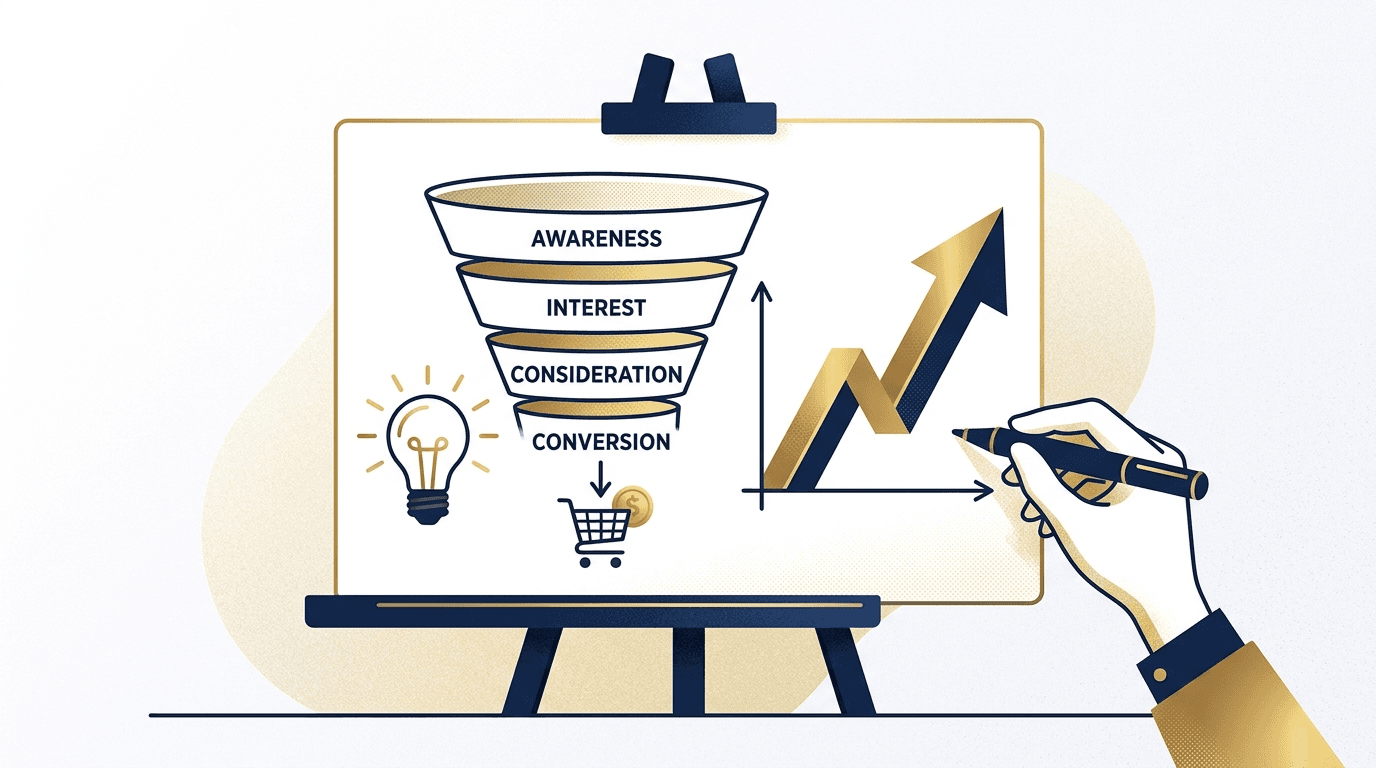
Diagnose the funnel before changing bids
A campaign can fail at several points:
The advertisement reaches unsuitable viewers.
Suitable viewers ignore the opening.
Interested viewers do not understand the proposition.
The landing page breaks message continuity.
The form asks for too much or too little information.
Leads are not followed up effectively.
Platform conversions do not match CRM-qualified leads.
Each failure requires a different response. Increasing a bid will not fix poor creative. Re-editing a video will not fix missed sales calls.
Test variables with a reason
Useful creative tests include the opening statement, spokesperson, problem framing, proof, offer and call to action. Avoid changing all of them simultaneously. If the new version performs differently, you need to know why.
Audience tests should also be commercially distinct. Comparing website visitors with an intent-based prospecting segment can produce useful information. Comparing several broad interest audiences with substantial overlap may not.
Examine downstream quality
Import qualified lead or sales outcomes into reporting where the business has the data and appropriate controls. A campaign producing fewer form fills may be more valuable if those leads progress further through the pipeline.
This is why results, not activity reports, should guide budget. Clicks are easy to buy and profit is easy to burn.
Treat landing pages as part of media performance
Video establishes an expectation. The landing page must continue the same promise, terminology and next step. Remove unrelated navigation where appropriate, answer the objection raised by the advertisement and provide enough evidence for the requested commitment.
Conversion optimisation should not chase form submissions at any cost. Adding qualifying questions can reduce raw volume while improving sales efficiency. That can be a good outcome.
How should YouTube Ads ROI be measured?
Measure YouTube Ads ROI by connecting campaign cost with verified commercial value. Track platform conversions, assisted interactions, qualified leads, pipeline progression, sales and revenue where available. Use consistent attribution rules, separate lead quantity from quality and avoid presenting return on advertising spend as profit when fulfilment costs are excluded.
The basic return on advertising spend calculation is tracked revenue divided by advertising spend. It is useful, but incomplete. A healthy-looking return can still conceal low margin, refunds, long payment cycles or sales that would have occurred without the advertising.
For lead generation, assess:
Cost per verified lead
Cost per sales-qualified opportunity
Opportunity value and progression
Closed revenue connected to campaign records
Lead rejection reasons
Time from first interaction to sale
For ecommerce, assess tracked revenue alongside gross margin, new versus returning customers, refunds and product mix.
Build a practical measurement chain
A reliable chain usually connects Google Ads, website tagging, analytics, call tracking and CRM records. Define primary conversion actions for outcomes used by bidding. Keep diagnostic actions, such as video engagement or shallow page visits, secondary unless there is a strong reason otherwise.
Google Ads documents website conversion tracking and enhanced conversion options in its Help Centre. Implementation should be tested rather than assumed. Compare browser tests, platform records and CRM entries to find missing or duplicated events.
View-through attribution also needs careful interpretation. A viewer may see an ad, take no immediate action and later convert through another channel. That interaction can be meaningful, but attribution is not the same as causation. Compare multiple views of the data and consider controlled geographic or audience tests when spend and market conditions support them.
What YouTube advertising mistakes waste budget?
The most expensive YouTube Ads mistakes are strategic rather than technical. Businesses launch without reliable tracking, target broad audiences, use one generic video, optimise shallow conversions and scale too early. Waste then appears as apparently healthy platform activity that cannot be connected to suitable prospects, sales or defensible revenue.
Producing the video before defining the audience
Creative teams need a precise brief. Without customer research, videos default to company history, generic claims and broad benefits. Start with the buyer's problem and the evidence required to change their mind.
Treating views as the business result
Views can diagnose delivery and creative consumption. They do not prove demand, lead quality or revenue. Report them as supporting metrics, not the commercial outcome.
Combining every audience and offer
Excessive consolidation can obscure which proposition works for which market. Excessive fragmentation can starve campaigns of useful data. Structure should follow real commercial differences, not a desire for a neat account.
Sending all traffic to the home page
A home page usually serves several audiences and actions. A campaign landing page should continue the advertisement's specific message and make the intended next step obvious.
Ignoring sales feedback
Media teams cannot judge lead quality from Google Ads alone. Sales staff should record why enquiries were accepted, rejected or lost. Standardised CRM fields are more useful than occasional anecdotes.
Scaling after platform conversions rise
More conversions are not enough when the conversion definition is weak. Budget only scales where the tracked return justifies it. Otherwise, increased spend can amplify duplicated events, low-value actions and unsuitable enquiries.
The advantage hiding in plain sight is conversion quality
Most YouTube Ads advice focuses on hooks, formats and audience settings. Those matter, but the greater advantage is often a business's own sales data. Feeding verified outcomes back into campaign decisions can expose that the cheapest conversion is not the best customer and the smallest audience may produce stronger commercial intent.
This is a contrarian point because advertising platforms make activity visible and commercial quality harder to see. Views arrive quickly. Revenue may arrive after sales qualification, follow-up and fulfilment. The delay encourages teams to optimise what is immediately available.
Our packaging ecommerce account illustrates the measurement principle, although the result should not be presented as a YouTube-specific case study. We rebuilt revenue tracking, restructured paid campaigns around buying intent and added 85 negative keywords across May and June to remove waste. From January to June 2026, the account's own live data recorded $132,746 in tracked revenue from $14,028 in advertising spend. That was a 9.5x return on advertising spend, with every month returning at least 7x spend.
The important lesson is not that another business should expect the same return. Results vary by market, margin, offer, channel mix and existing demand. The lesson is that campaign decisions improved after revenue tracking and intent controls became dependable.
Apply the same discipline to YouTube. Build the connection from viewer to lead, from lead to opportunity and from opportunity to revenue. Numbers pulled from live account data are more useful than an impressive dashboard disconnected from sales.
How should you choose a YouTube Ads service provider?
Choose a provider that starts with commercial diagnosis, explains how lead quality will be measured and can work across media, analytics, landing pages and CRM data. Ask for decision rules, not promises. A credible provider should explain when YouTube is unsuitable, what evidence supports scaling and how reporting reaches revenue.
Useful questions include:
How will you define a qualified lead with our sales team?
Which conversion actions will guide campaign bidding?
How will you distinguish prospecting from remarketing performance?
What creative variables will be tested and why?
How will placement quality and brand safety be reviewed?
Can you connect campaign records with CRM outcomes?
What would cause you to reduce or stop spend?
How will YouTube interact with search, SEO and other paid media services?
Be cautious when a proposal guarantees a return without reviewing the account, economics, creative and sales process. Be equally cautious when reporting is limited to impressions, views and clicks.
At 3P Digital, our approach is Profile, Plan, Perform. We identify the buyers and tracking gaps, create the strategic blueprint, then manage execution against qualified leads, sales and revenue. Businesses considering YouTube Ads management can contact 3P Digital for a consultation and assessment of whether the channel fits their market, measurement maturity and growth priorities.
Frequently asked questions about YouTube Ads services
These questions cover the practical issues Australian owners and marketing managers usually need resolved before commissioning video advertising. The right answer depends on the offer, audience, sales cycle and available data, but the principles remain consistent: establish commercial goals, use suitable creative and verify outcomes outside the advertising dashboard.
How much should an Australian business spend on YouTube Ads?
There is no responsible universal budget. Start with the cost of producing suitable creative, the expected value of a customer, the available audience and the data required to evaluate performance. Use a controlled test budget the business can assess without relying on immediate profit. Increase it only when tracked quality and return support the decision.
Can YouTube Ads generate leads for service businesses?
Yes, particularly when video can explain a problem, demonstrate expertise or build trust before an enquiry. Success depends on targeting the right buying situation, presenting a credible offer and using a landing page that continues the message. Lead quality must be checked in the CRM rather than inferred from form submissions alone.
Are YouTube Ads better than Google Search Ads?
Neither channel is universally better. Search captures expressed demand when a user enters a query. YouTube can create familiarity and educate prospects before that search occurs. Many businesses benefit from using both, but each channel should have a defined role and be assessed against its contribution to qualified demand and revenue.
What video creative is needed for a YouTube campaign?
At minimum, creative should identify the intended buyer, communicate one relevant problem, explain the offer and state a clear next action. Different placements may require horizontal, vertical or square versions. Captions, readable framing and a strong opening matter. Multiple purposeful variations provide better optimisation evidence than one expensive generic brand video.
How long does it take to know whether YouTube Ads are working?
It depends on audience size, spend, conversion volume and the sales cycle. Early delivery and creative signals can appear before commercial outcomes. A considered purchase may require CRM follow-up before lead quality and revenue are visible. Set review points around meaningful evidence rather than promising a fixed timeframe for every business.
Can YouTube Ads ROI be tracked accurately?
It can be measured more reliably when Google Ads, analytics, call tracking and CRM records are connected. No attribution system provides perfect causation. Use consistent conversion definitions, test implementation, reconcile platform data with sales records and separate direct conversions from assisted or view-through interactions when interpreting return.
References
These sources provide current platform guidance, Australian market context and regulatory principles relevant to YouTube advertising. Platform features and policies can change, so advertisers should confirm implementation details in their own accounts. Commercial decisions should combine these sources with live advertising, analytics, CRM and sales data.
Google Ads Help, Set up conversion tracking for your website
Office of the Australian Information Commissioner, Australian Privacy Principles