How to Hire a Fractional CMO in Australia: What They Do, When You Need One, and How to Get It Right in 2026
Most Australian SMEs hit a ceiling somewhere between $2 million and $10 million in revenue. Marketing is happening but it is not compounding. The team is busy but results are inconsistent. You know you need better strategic leadership, but you also know that hiring a full-time Chief Marketing Officer at $250,000 to $350,000 per year, plus superannuation and on-costs, is not a decision you can justify right now.
That is exactly the gap the fractional CMO model was built for. A fractional CMO gives you access to senior marketing leadership, typically someone who has operated at CMO or GM Marketing level inside real businesses, on a part-time or project basis. You get the strategic thinking, the framework-building, the team leadership, and the accountability. You do not pay for 40 hours a week of that person's time when your business only needs 10 to 15.
At 3P Digital, we work with Australian businesses at this exact inflection point through our fractional CMO and consulting engagements. This guide covers everything you need to make a smart decision: what a fractional CMO actually does day-to-day, the clear signs your business is ready for one, how the engagement model works, what it costs in Australia right now, and how to avoid the hiring mistakes that waste time and money. If you want to stop chasing leads and start attracting them with real strategic leadership, this is where you start.
Key Takeaways
A fractional CMO provides senior marketing leadership on a part-time retainer, typically costing $2,000 to $10,000 per month for Australian businesses, compared to $250,000+ for a full-time equivalent.
The model suits businesses generating $1 million to $30 million in revenue that have outgrown tactical execution but cannot justify a full-time CMO headcount.
A fractional CMO differs from a marketing consultant in that they hold ongoing accountability, lead your team, and are measured against business outcomes, not deliverables.
Green flags in a candidate include documented revenue outcomes, experience structuring measurement frameworks, and a clear process for the first 90 days. Red flags include a portfolio built entirely on activity metrics.
Measuring success requires agreement on KPIs before the engagement starts: qualified leads, cost per acquisition, pipeline value, and channel contribution are the right measures.
The first 90 days should be structured around audit, strategy, and framework-building before any significant execution begins.
Comparison: Fractional CMO vs Full-Time CMO vs Marketing Agency
Criteria | Fractional CMO | Full-Time CMO | Marketing Agency |
Monthly cost (AUD) | $2,000 to $10,000 | $20,000 to $30,000+ (salary + super) | $3,000 to $20,000 (execution-focused) |
Time commitment | 1 to 3 days per week | Full-time, 5 days per week | Project or retainer-based |
Strategic depth | High, owns strategy | High, owns strategy | Variable, usually execution-led |
Team leadership | Yes, leads internal and agency teams | Yes | No, external supplier |
Accountability | High, tied to outcomes | High | Variable, often tied to outputs |
Speed to start | 2 to 4 weeks | 3 to 6 months (hire cycle) | 1 to 2 weeks |
Risk | Low, no permanent headcount | High, fixed cost, long notice periods | Medium, can churn without strategic alignment |
Best for | $1M to $30M revenue businesses in growth phase | $30M+ businesses with complex marketing functions | Businesses needing execution capacity |
What Is a Fractional CMO?
A fractional CMO is a senior marketing executive who works with your business on a part-time or fractional basis. The word "fractional" refers to the fact that you are engaging a fraction of their professional time rather than their full working week. In practice, this means anywhere from one day per week through to three days per week, structured around a monthly retainer.
This is not a new concept. The fractional executive model has existed in the CFO space for decades, particularly for small-to-medium enterprises that need a finance director's thinking without needing a finance director on-site every day. The same logic has moved into marketing, and in 2026 it is well established in Australia's business landscape.
It is important to distinguish between a fractional CMO, a marketing consultant, and a marketing agency. A consultant typically delivers a strategy document or project output and then steps away. An agency executes campaigns and channels. A fractional CMO does something different: they hold ongoing leadership accountability. They run your marketing team, manage your agency relationships, own the strategy, set the measurement framework, report to the CEO or board, and are measured against business outcomes, not deliverables.
The people stepping into these roles are typically former CMOs, General Managers of Marketing, or senior marketing leaders with 15 to 25 years of experience who have chosen to work across a portfolio of businesses rather than committing to a single employer. The good ones have operated inside businesses at your size and larger, built teams from scratch, and have scar tissue from campaigns that did not work as well as the ones that did.
For an Australian SME, the access to that level of experience, packaged at a fraction of the full-time cost, is one of the most leveraged hires you can make at the right stage of growth.
What Does a Fractional CMO Actually Do Day-to-Day?
This is where most descriptions of the fractional CMO role get vague, so let me be specific about what the work actually looks like week to week.
Strategy ownership and prioritisation
A fractional CMO owns the marketing strategy. That means making decisions about which channels get resourced, which segments to target, what the positioning is, and how marketing investment gets allocated across the financial year. These are not decisions a marketing coordinator or an agency should be making. They require someone who understands the business model, the competitive landscape, and the unit economics of customer acquisition.
In practice this looks like: running a quarterly planning session with the leadership team, setting 90-day priorities, and maintaining a strategy document that the entire team is executing against. Without this layer, most marketing teams operate in reactive mode, responding to whatever the loudest voice in the room requests rather than working toward a compounding objective.
Measurement framework and reporting
One of the first things a competent fractional CMO builds is a measurement framework. This means defining what success looks like, which metrics matter, and how they are tracked. Activity reports are not results. A fractional CMO should be reporting on qualified leads, cost per acquisition, customer lifetime value, channel contribution to pipeline, and return on marketing investment. These are the numbers that connect marketing to revenue.
I have seen businesses spend years paying for weekly activity reports from agencies showing impressions and click-through rates, with no visibility over whether any of it was generating qualified pipeline. That is a systems problem, and it is one of the first things a fractional CMO should fix.
Team leadership and agency management
A fractional CMO typically leads both internal marketing team members and external agency relationships. This means they are the single point of strategic accountability for everything your business does in market. Agencies should be briefed properly, held to measurable outcomes, and evaluated regularly. Internal team members should have clear roles, priorities, and career development conversations.
For many SMEs, this layer is entirely missing. The business owner is trying to manage the agency, review the content, approve the ads, and run the business simultaneously. A fractional CMO removes that bottleneck.
Execution involvement
How much execution a fractional CMO does directly depends on the engagement structure and the business's existing resources. In a lean business with no internal marketing team, a fractional CMO might be more hands-on with content development, campaign briefs, or analytics setup in the early months. In a business with an existing team, they are primarily directing and reviewing rather than producing.
This distinction matters when you are scoping an engagement. Be clear about what execution capacity already exists and what you need the fractional CMO to provide versus direct.
Signs Your Business Needs a Fractional CMO
Not every business is ready for a fractional CMO. The model works best when certain conditions are present. Here are the clearest signals.
Revenue plateau despite marketing activity
You are spending on marketing, activity is happening, but revenue is not growing at the rate you need. This usually indicates a strategic problem rather than a tactical one. You might be targeting the wrong audience, leading with the wrong message, or investing in channels that are not suited to your buyer's journey. These are problems a fractional CMO is equipped to diagnose and correct.
Channel chaos with no unifying strategy
You have an SEO agency, a Google Ads manager, someone doing social media, and possibly a content writer. None of them are talking to each other. The messaging is inconsistent. There is no unified customer acquisition strategy. This is one of the most common situations I see in Australian SMEs that have grown from $2 million to $8 million: they have assembled a collection of marketing suppliers without anyone responsible for making them work together.
No measurement framework in place
If you cannot answer the question "which marketing channel is generating the most qualified pipeline for the least cost?" you do not have a measurement framework. A fractional CMO should be able to build that visibility within the first 60 days of an engagement. Our analytics work at 3P Digital is specifically designed to create this kind of clarity, and you can explore how we approach it at 3P Digital Analytics.
The business is preparing for a significant growth event
This includes preparing for a capital raise, entering a new market, launching a new product line, or preparing the business for acquisition. Each of these scenarios requires a marketing leader who can operate at board level, translate marketing strategy into business outcomes, and communicate clearly with investors or acquirers. A fractional CMO can fill this role without the 12-month hiring process.
You are between full-time marketing hires
When a senior marketing person leaves, the instinct is to backfill immediately. But rushing a permanent hire often results in hiring the wrong person. A fractional CMO can hold the function together while the business takes time to find the right full-time candidate, and in many cases the fractional CMO ends up writing the job description and helping assess candidates based on what the role actually requires.
How the Engagement Model Works
A fractional CMO engagement in Australia typically operates as a monthly retainer. Here is what the structure commonly looks like.
Time commitment
Most engagements range from one day per week (approximately 4 to 8 hours) to three days per week (approximately 12 to 20 hours). The right level depends on the complexity of the marketing function, the size of the team being led, and the stage of the business. Early-stage engagements often require more time in the first 90 days as the strategy and measurement infrastructure is being built.
Reporting lines
A fractional CMO reports directly to the CEO, Managing Director, or equivalent. This reporting line is non-negotiable. If the fractional CMO reports to anyone other than the most senior decision-maker in the business, they will not have the authority to make the strategic decisions the role requires.
KPIs and accountability
A well-structured engagement defines KPIs before the engagement begins. These typically include: qualified leads generated per month, cost per qualified lead by channel, pipeline value attributed to marketing, website conversion rate, and organic search visibility. At 3P Digital, every engagement we lead is structured around the 3P Framework, starting with Profile, then Plan, then Perform. The KPI framework is built during the Plan stage before execution begins, which means performance is always measured against a predetermined baseline.
Engagement length
Minimum viable engagement length is typically three months, though most productive engagements run six to twelve months. Marketing strategy takes time to take effect. A fractional CMO who is building measurement frameworks, restructuring agency relationships, and establishing a content or SEO engine cannot demonstrate meaningful business impact in 30 days. If someone is promising you results in a month, they are describing tactics, not strategy.
How to Evaluate Candidates: What Separates Good from Great
The fractional CMO market in Australia is growing, and with that growth comes variability in quality. Here is how to assess whether someone is genuinely capable of the role.
Look for documented revenue outcomes, not activity metrics
Ask every candidate: what is a specific marketing intervention you led that demonstrably improved revenue or qualified pipeline? Ask for the before-and-after numbers. A strong candidate will have two or three examples ready, with specific metrics: percentage increase in qualified leads, reduction in cost per acquisition, pipeline contribution by channel. A weak candidate will describe campaigns they ran or content they produced without connecting it to business outcomes.
Assess strategic versus tactical balance
Some people calling themselves fractional CMOs are actually skilled marketers who are more comfortable in execution mode than in strategic leadership. There is nothing wrong with that, but it is not the same role. Test this by asking: how would you approach the first 90 days in our business? A strategic thinker will describe an audit phase, a stakeholder alignment process, a measurement framework build, and a prioritised strategy document before committing to any execution. A tactical thinker will start talking about campaigns, content calendars, and channel strategies within the first few minutes.
Industry fit versus transferable skills
Direct industry experience is valuable but not essential. What matters more is whether the candidate has worked with businesses of similar complexity, similar buyer journeys, and similar sales cycles. A fractional CMO who has built marketing programmes for professional services firms will transfer well to mortgage broking, recruitment, or B2B technology. For industry-specific context, it is worth looking at our work across professional services to understand the nuances of marketing in high-trust, relationship-driven sectors.
Red flags to watch for
These are the signals that should make you pause regardless of how polished the presentation is:
A portfolio built on brand awareness metrics rather than lead generation or revenue outcomes
No clear process for the first 90 days
Reluctance to be measured against defined KPIs
Claims to specialise in every industry simultaneously
No experience managing or directing a marketing team or agency
Confusion between the fractional CMO role and a senior account manager role at a marketing agency
Fractional CMO Cost in Australia: A Realistic Breakdown
This is the question most business owners ask first, so let me give you specific numbers rather than vague ranges.
In 2026, fractional CMO engagements in Australia typically run at the following rates:
Entry level (less experienced, 1 day per week): $2,000 to $3,500 per month
Mid-tier (strong track record, 1 to 2 days per week): $4,000 to $6,500 per month
Senior (former CMO at $100M+ business, 2 to 3 days per week): $7,000 to $10,000+ per month
Compare these numbers to the full-time equivalent. A senior marketing leader in Australia currently earns between $180,000 and $280,000 base salary. With superannuation at 11.5%, annual leave loading, payroll tax, and recruitment fees, the true cost of a full-time CMO-level hire sits at $220,000 to $350,000 per year before you factor in the three to six months it typically takes to hire them.
A fractional CMO at $6,000 per month represents $72,000 per year. Even at $10,000 per month, you are at $120,000 per year for part-time engagement. The cost differential is significant, and the risk profile is fundamentally different. If the engagement is not working, you are not locked into a 12-month notice period and a wrongful termination risk.
Some fractional CMOs, including the model we operate at 3P Digital, incorporate a pay-per-performance component into the engagement. This means part of the monthly fee is tied to the achievement of agreed KPIs. This structure aligns incentives properly. We only succeed when you succeed, and that accountability is built into the commercial terms from day one.
How to Structure the First 90 Days
The first 90 days of a fractional CMO engagement are the most important. Get them wrong and the engagement never finds its footing. Here is the structure we use at 3P Digital.
Days 1 to 30: Audit and alignment
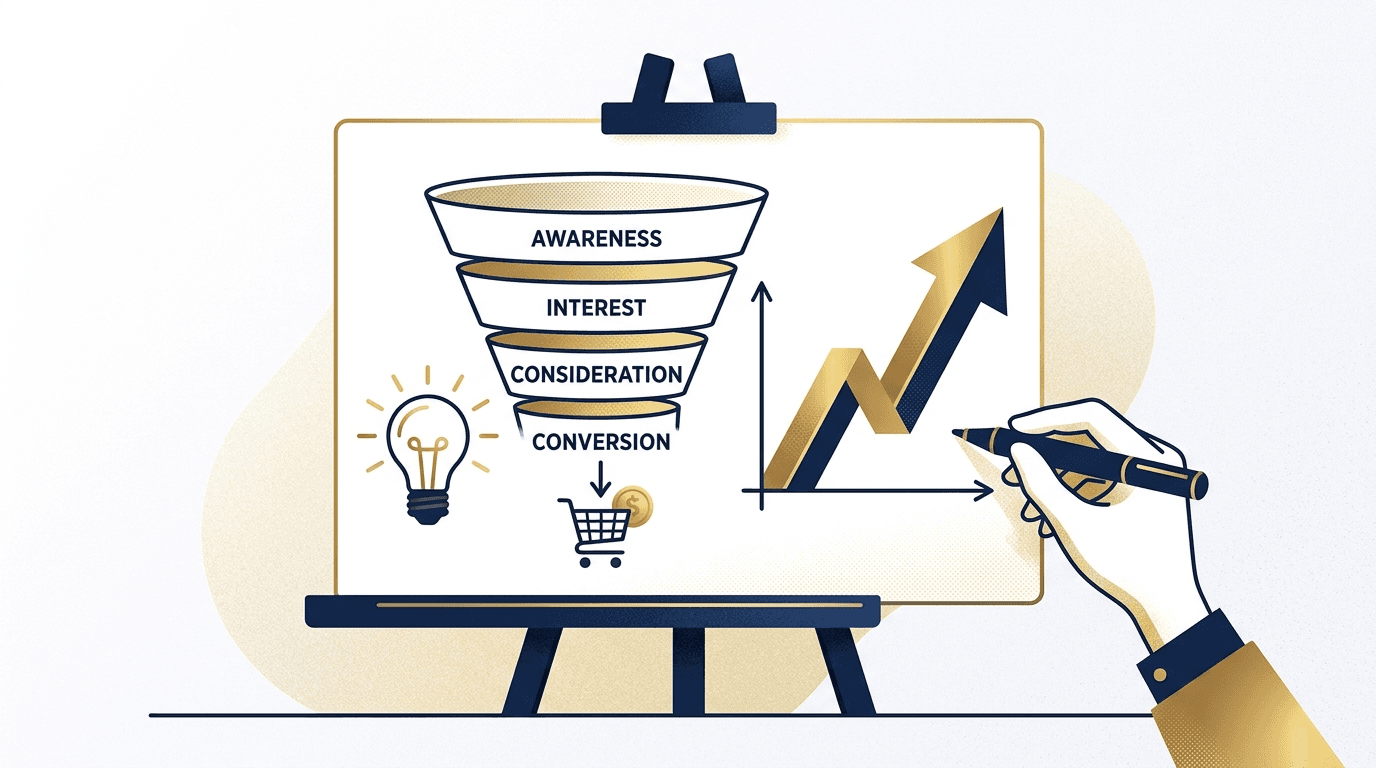
The first month is about understanding the business before touching the strategy. This means auditing the current marketing activity across all channels, reviewing existing analytics and reporting, interviewing key stakeholders, mapping the current customer acquisition funnel, and assessing the existing team and agency relationships. It also means understanding the business model deeply: what the unit economics of customer acquisition look like, what the average lifetime value of a customer is, and where the biggest leverage points are.
This is the Profile stage of the 3P Framework. You cannot build a credible strategy for a business you do not understand yet. I have seen too many fractional CMO engagements start with a 90-day plan built in week one, before the person has spoken to a single customer or reviewed a single analytics account. That is not strategy, that is a template dressed up as strategy.
Days 31 to 60: Strategy and measurement framework
With the audit complete, the second month focuses on building the plan. This includes: defining the ideal customer profile, establishing positioning and key messages, prioritising channels based on the audit findings, building the measurement framework and KPI dashboard, and aligning the plan with the business's 12-month revenue goals.
This is the Plan stage. Nothing significant should be executing yet. Agencies should be briefed on the new direction. The internal team should understand the priorities. The measurement infrastructure should be in place so that when execution begins, there is a baseline to measure against.
Days 61 to 90: Execution launch and iteration
The third month is where execution begins in earnest, against the strategy built in month two. Campaigns go live, content begins publishing, paid channels are restructured, and the measurement framework starts generating data. The fractional CMO is reviewing performance weekly, making adjustments, and reporting against KPIs. You should have a clear picture of which channels are working and which need adjustment before the three-month mark.
This is the Perform stage. And critically, performance is always evaluated against the strategy, not just against last week's numbers. You can learn more about how we apply this framework across our engagements at 3P Digital's framework page.
How a Fractional CMO Works Alongside Your Existing Team and Agencies
One of the most common concerns business owners raise is: how does this work with the agencies and people I already have? The short answer is that a fractional CMO should make your existing suppliers more effective, not replace them.
Agencies typically operate best when they receive clear, strategic briefs. Most of the time, they are not getting them. They are receiving requests like "we need more leads" or "can you do something with our social media" without a clear customer profile, a defined message, or an agreed measurement framework. The result is activity that looks reasonable but does not compound toward a strategic objective.
A fractional CMO fixes this by being the bridge between the business strategy and the agency brief. They translate business goals into marketing priorities, marketing priorities into channel strategies, and channel strategies into specific briefs that agencies can execute with precision. The agencies do not change. The quality of the direction they receive changes significantly.
For internal team members, particularly marketing coordinators or junior content people, a fractional CMO provides the leadership and prioritisation clarity that most of these roles desperately need. The best marketing coordinators I have worked with are not underperforming because they lack skill. They are underperforming because they have never been given a clear strategy to execute against.
Case Study 1: National Recruitment Firm Reduces Cost Per Lead by 63.5%
I worked with a national recruitment firm that was spending heavily on job board subscriptions and paid placements to generate both candidate and client leads. The volume was there, but the cost per lead was unsustainable at their growth stage, and there was no owned digital channel generating consistent inbound traffic.
We began with a full audit of their existing digital presence, their candidate and client personas, and the search behaviour of both audiences. The audit revealed significant organic search opportunity that was entirely untapped. Their competitors were ranking for high-intent queries that the firm was invisible for.
We replaced the job board dependency with an integrated SEO and content marketing strategy, building a compounding organic channel designed to attract both audiences through high-intent search. The measurement framework we built tracked qualified leads by source, cost per lead by channel, and candidate-to-placement conversion rate, so the business could see the economics clearly as the channel matured.
Over six months, the firm generated 574 leads through the new organic channel at a 63.5% lower cost per lead than their previous job board investment. The channel was self-sustaining and compounding. When job board spend stopped, results reset to zero. When the organic channel was established, it continued generating leads without additional media spend.
This is the structural difference between rented paid channels and owned organic ones. You can explore more results like this at 3P Digital's case studies.
Case Study 2: Queensland Mortgage Broker Reaches Position 1 and Generates 40+ Leads Per Month
A Queensland mortgage broker came to us generating minimal inbound enquiries from organic search. They were sitting on page three for their primary keyword in a competitive local market, had no clear content strategy, and no technical SEO foundation in place. They were relying on referrals and paying for leads that were inconsistent in quality.
Before we touched any execution, we ran a complete Profile stage under the 3P Framework: understanding their ideal client profile, their competitive positioning in the local market, and the specific search intent patterns of buyers looking for mortgage broking services in their area. Only once we understood who we were trying to attract, and what would actually make them choose this broker over the alternatives, did we begin building the strategy.
The intervention combined technical site optimisation, high-intent content development targeting the specific queries their ideal clients were using, and local search authority building. Every piece of content was written for a specific stage of the buyer journey, not just for keyword rankings.
Within six months, the broker reached position one for their primary keyword and began generating 40 or more qualified leads per month from organic search alone. Organic traffic increased by 312%. More importantly, the quality of the enquiries changed. These were not people clicking on a generic ad. These were buyers who had found the broker through a search they initiated, read content that addressed their specific situation, and arrived ready to have a conversation.
"Before working with 3P Digital, our marketing felt like it was going in ten directions at once. We were spending money but had no idea what was working. Within the first 90 days they gave us a clear strategy and a dashboard that actually showed us where our leads were coming from. We hit 40 qualified enquiries a month from organic search within six months, which completely changed our business. The difference between this and what other agencies offered us was that they cared about our results, not just their activity reports." , Queensland Mortgage Broker (name withheld by request)
Common Mistakes When Hiring a Fractional CMO
I have seen these patterns repeat often enough that they are worth naming explicitly.
Hiring for cheapest rather than most capable
At $2,000 per month you are likely getting someone who is in the early stages of their fractional career, possibly without significant P&L ownership or team leadership experience. That may be fine depending on your stage and needs. But hiring based on price without clarity on what capability you actually need is the fast path to a disappointing engagement.
Not defining success before the engagement starts
If you cannot describe what a successful 12-month engagement looks like in specific, measurable terms, do not start the engagement until you can. The KPI framework should be agreed in writing before month one. Without it, the fractional CMO has no objective standard to be held to, and you have no objective basis for evaluating whether the investment is working.
Expecting a fractional CMO to also be a CMO, content writer, paid media manager, and SEO specialist simultaneously
This is a scope problem. A fractional CMO's value is in strategic leadership and measurement, not in doing the execution work of a full team. If you need execution capacity as well as strategic leadership, you need to budget for both.
Failing to give them authority
A fractional CMO without the authority to make decisions about messaging, channel investment, and team direction is just a very expensive reviewer. If every decision requires sign-off from someone who is not in the marketing function, the model does not work. Give them real authority within an agreed scope and budget.
Treating it like a short-term fix rather than a strategic investment
Marketing strategy does not deliver results in 30 days. If you are engaging a fractional CMO with the expectation of a quick win, you will be disappointed. The model is most powerful when it is given at least six months to build the strategy, establish the measurement framework, and let the execution compound. If you want to understand how we approach this with prospective clients, the best starting point is a free strategy session where we can assess whether the model fits your situation.
Fractional CMO vs Marketing Agency: The Key Distinction
This comparison comes up in almost every conversation I have with business owners considering the fractional CMO model. The distinction is actually straightforward once you understand where accountability sits.
A marketing agency is accountable for outputs: campaigns delivered, content published, ads managed, reports produced. A fractional CMO is accountable for outcomes: qualified leads generated, cost per acquisition achieved, pipeline built. These are fundamentally different accountability structures.
The best model for most growing Australian businesses is both: a fractional CMO providing strategic leadership and measurement accountability, with one or more specialist agencies providing execution capacity in specific channels. The fractional CMO briefs the agencies, evaluates their performance, and ensures their activity is aligned with the overall strategy.
If you are choosing between a fractional CMO and an agency because you can only afford one, that is a different conversation. In that scenario, the fractional CMO is the higher-leverage investment if your primary problem is strategic clarity and measurement. If your primary problem is execution capacity and you already have a clear strategy, the agency may be the right call for now.
The contact page at 3P Digital is the right starting point if you want to talk through which model fits your current situation.
FAQs
How much does a fractional CMO cost in Australia?
In 2026, fractional CMO engagements in Australia typically range from $2,000 to $10,000 per month depending on experience level, time commitment, and the complexity of the business. Entry-level engagements covering one day per week from a less experienced practitioner sit at $2,000 to $3,500 per month. Senior fractional CMOs with documented CMO-level experience and two to three days per week commitment range from $7,000 to $10,000 or more per month. For context, this compares favourably with the true cost of a full-time CMO-level hire, which typically sits at $220,000 to $350,000 per year including superannuation and on-costs.
How is a fractional CMO different from a marketing consultant?
A marketing consultant typically delivers a project-specific output, such as a strategy document, a brand review, or a channel audit, and then disengages. A fractional CMO holds ongoing leadership accountability within the business. They lead the team, manage agency relationships, own the measurement framework, and are evaluated against business outcomes on a continuing basis. The practical difference is that a consultant tells you what to do and then leaves. A fractional CMO is responsible for ensuring it happens and for the results it produces.
What is the minimum engagement length for a fractional CMO?
Three months is the absolute minimum for a fractional CMO engagement to be meaningful, and even then it is tight. The first month is typically an audit and alignment phase. The second month builds the strategy and measurement infrastructure. Only in month three does execution begin in earnest. For meaningful business results, six to twelve months is the realistic timeframe. Marketing strategy, particularly organic channels like SEO and content, compounds over time. An engagement of less than three months is more consultant than CMO.
Which industries benefit most from a fractional CMO in Australia?
The fractional CMO model works across most industries but tends to deliver the highest impact in businesses where the sales cycle is longer, the customer relationship is high-trust, and the differentiation between competitors is not obvious. Professional services, mortgage broking, recruitment, B2B technology, financial advice, healthcare, and engineering services are all strong fits. These are industries where a clear ideal customer profile, a consistent positioning strategy, and a measurement framework for qualified pipeline can dramatically change business outcomes. Retail and e-commerce businesses can also benefit, particularly when scaling, but the execution demands tend to require more agency support alongside the strategic CMO layer.
Can a fractional CMO work remotely with our team?
Yes, and the vast majority of fractional CMO engagements in Australia operate primarily or entirely remotely. The role requires regular video calls with the leadership team, structured weekly or fortnightly check-ins with the marketing team, and access to your analytics, CRM, and marketing platforms. Most experienced practitioners are set up to work effectively in a remote or hybrid model. If your business is based in a regional area or outside a major capital city, remote engagement is standard rather than a compromise. Where in-person presence adds genuine value, such as strategy workshops or team planning days, it is worth building that into the engagement structure from the outset.
How do I measure whether my fractional CMO is performing?
Performance should be measured against the KPIs agreed before the engagement begins. These typically include: qualified leads generated per month by channel, cost per qualified lead, pipeline value attributed to marketing, website conversion rate on key landing pages, and organic search visibility for target keywords. Activity metrics such as impressions, reach, and click-through rates should not be the primary measures of a fractional CMO's performance. If your measurement framework is built around activity rather than outcomes, the first thing a competent fractional CMO should do is rebuild it.
Do I need to have an existing marketing team for this to work?
No. A fractional CMO can operate as the sole marketing leadership resource in a business that currently has no internal marketing team. In that scenario, they will typically work with external agencies for execution capacity across specific channels. However, having even one internal marketing coordinator gives the fractional CMO leverage: someone who can implement, publish, coordinate, and track the day-to-day execution under their direction. If you have an existing team and no strategic leader, the fractional CMO provides the layer they are currently missing. If you have no team at all, the fractional CMO will help you build the agency stack and, when the time is right, define the first internal hire the business needs.
Is a fractional CMO the same as an outsourced CMO?
The terms are used interchangeably in the Australian market and refer to the same model. "Fractional CMO" emphasises the part-time nature of the engagement. "Outsourced CMO" emphasises that the role is filled by an external resource rather than a permanent employee. Both describe a senior marketing leader engaged on a retainer basis to provide strategic leadership without the cost and commitment of a full-time hire. Either term will lead you to the same type of service. When evaluating providers, what matters is not the label they use but whether they can demonstrate documented revenue outcomes and whether their engagement model includes clear accountability for business results.
References
IBISWorld: Marketing Consulting Services in Australia (2025-2026 Industry Report), IBISWorld's Australian marketing industry research provides data on market size, revenue growth, and the increasing adoption of outsourced and fractional marketing leadership models among Australian SMEs and mid-market businesses. Used to contextualise the growth of the fractional CMO model in the current Australian market.
Gartner CMO Spend and Strategy Survey (2025-2026), Gartner's annual CMO survey tracks marketing budget allocation, headcount trends, and the growing use of fractional and outsourced marketing leadership globally. Relevant for benchmarking Australian fractional CMO cost ranges against international equivalents and for understanding CMO tenure and accountability pressures that drive demand for the fractional model.
Australian Bureau of Statistics: Counts of Australian Businesses (2025-2026 Edition), ABS business counts data identifies the number of Australian SMEs in the $1 million to $30 million revenue range, representing the core target market for fractional CMO services. Used to establish the scale of the addressable market in Australia and the prevalence of businesses at the growth stage where fractional leadership is most relevant.
Deloitte CMO Survey: Australian Marketing Leadership Trends (2025), Deloitte's periodic analysis of marketing leadership in Australian organisations covers CMO tenure, the challenges of building in-house marketing capability at SME scale, and the growing use of flexible senior marketing arrangements. Referenced for CMO tenure data and the cost analysis of full-time versus fractional marketing leadership.
3P Digital Internal Client Data (2026), Performance metrics cited in this article, including the 312% average organic traffic increase, 46:1 SEO ROI, 63.5% cost per lead reduction for a national recruitment client, and 98% client retention rate, are drawn from 3P Digital's own client engagement data across more than 250 clients served in the Australian market.